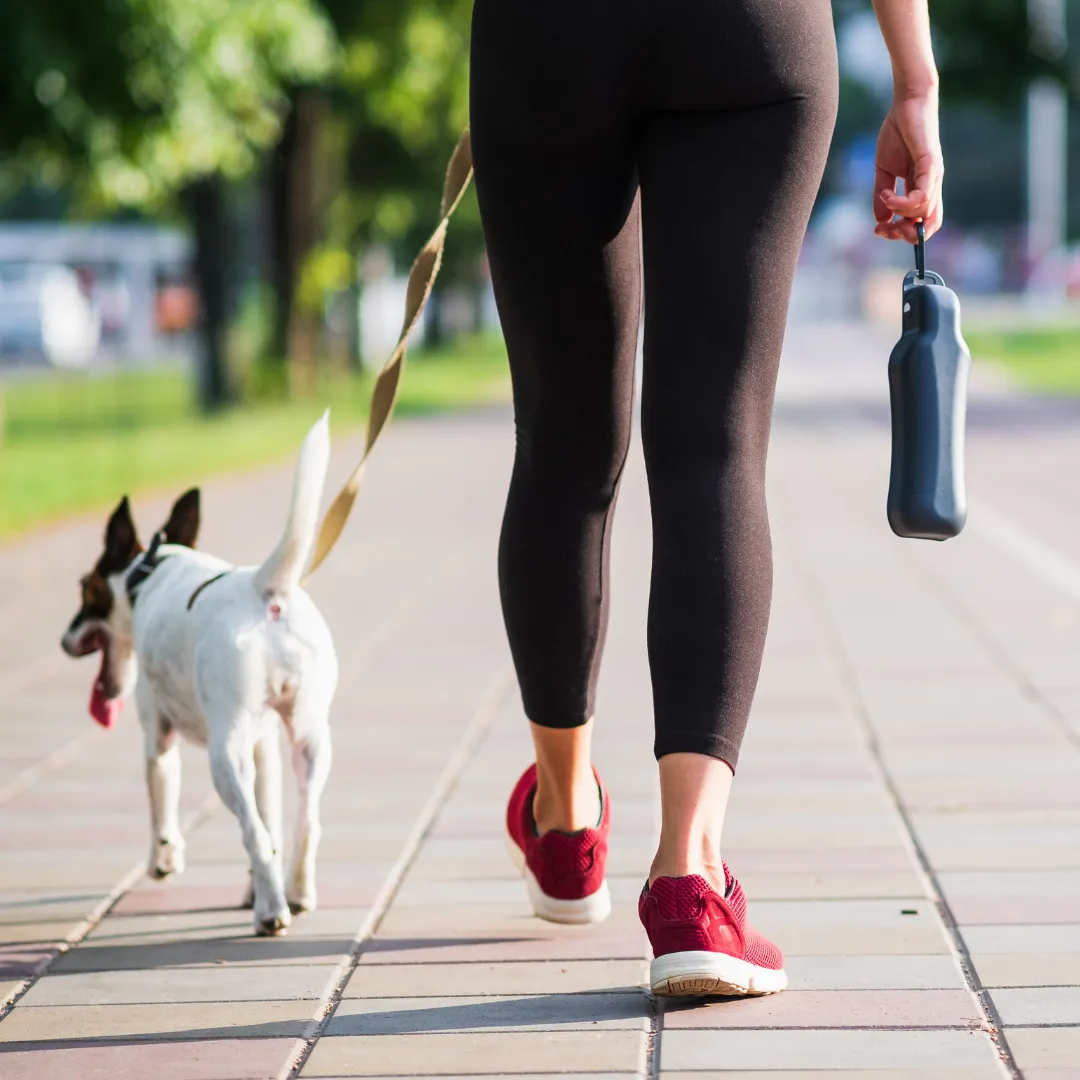
Walking After Meals: A Simple Habit for Blood Sugar, Digestion, and Fat Loss
Walking After Meals: A Simple Habit for Blood Sugar, Digestion, and Fat Loss
You do not always need a complicated fitness plan to support metabolism. A short walk after meals is one of the simplest habits for improving daily movement, helping digestion, and reducing the sluggish feeling that often follows a heavy lunch or dinner.
Why post-meal movement works
Gentle movement after eating encourages muscles to use circulating glucose and can help some people feel less bloated. It also breaks up long periods of sitting, which is useful for overall cardiometabolic health.
How long should you walk
Even 10 to 15 minutes at an easy to moderate pace can be worthwhile. The goal is consistency, not intensity. If you already exercise, think of post-meal walking as a low-stress add-on rather than another hard session.
A realistic strategy for busy weeks
Try walking after your biggest meal first. If that feels easy, add another short walk during the day. Combined with supportive habits like balanced meals, good sleep, and tools such as Natural Metabolic Health, small routines can add up over time.
Practical Tips
- Start with one meal a day instead of trying to change everything at once.
- Choose a pace that lets you breathe comfortably and keep talking.
- If weather is bad, walk indoors at home, in a hallway, or at a mall.
- Use the walk as a screen-free moment to lower stress.
Quick FAQ
Is a post-meal walk only useful for people with blood sugar concerns?
No. Many people use it for digestion, energy, mood, and general activity, even if they do not have a diagnosed blood sugar issue.
This article is educational and does not replace personal medical advice.
