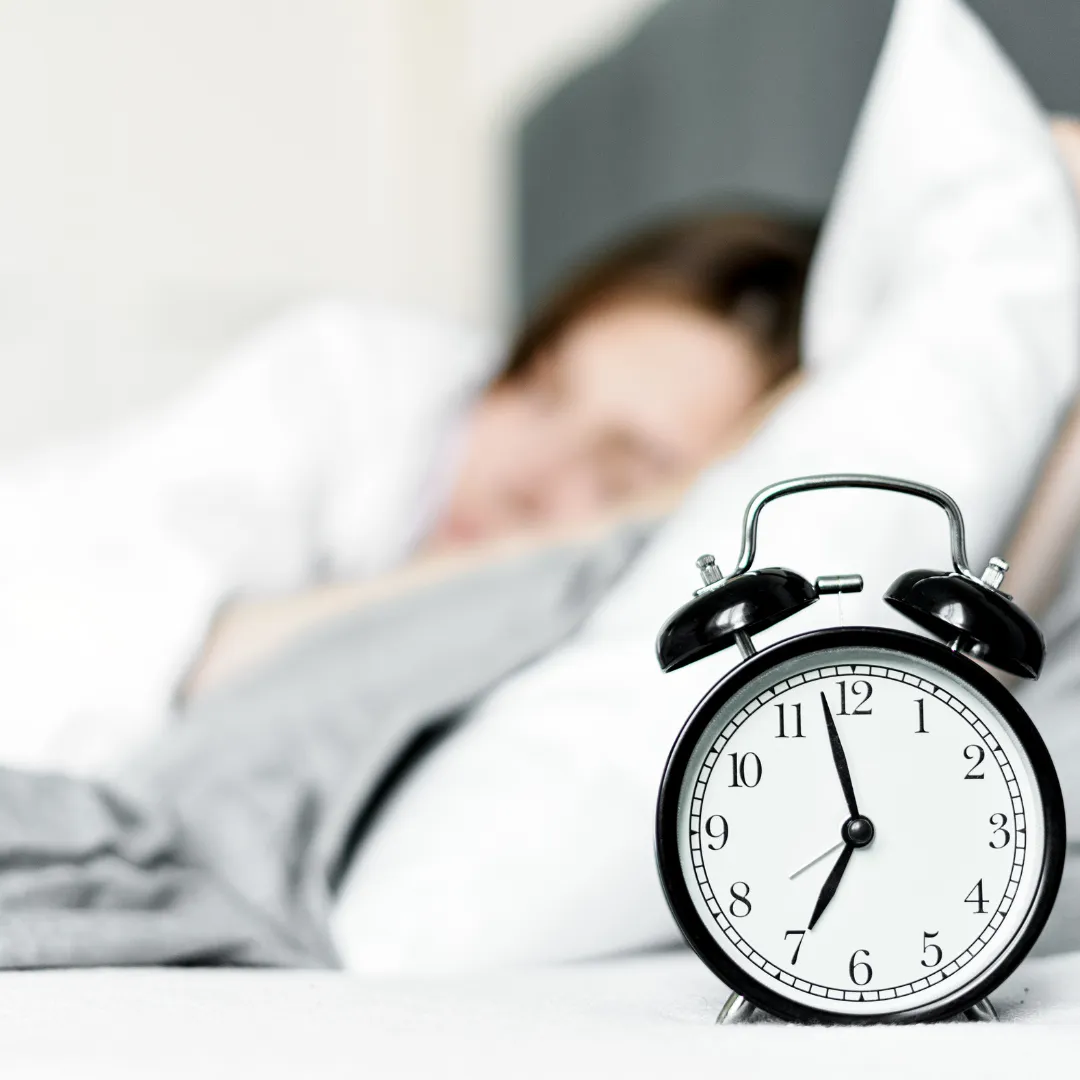
Sleep, Hunger, and Metabolism: Why Poor Rest Can Make Fat Loss Harder
Sleep, Hunger, and Metabolism: Why Poor Rest Can Make Fat Loss Harder
When sleep gets worse, food choices often get worse too. Many people focus only on calories and workouts, but poor rest can increase cravings, lower motivation, and make healthy routines feel much harder to maintain.
How sleep affects appetite
Short or broken sleep can disrupt the hormones involved in fullness and hunger. That can make ultra-processed foods feel more tempting and portion control feel less natural the next day.
Why recovery matters for metabolism
Sleep supports muscle repair, stress regulation, and decision-making. If your body never feels fully recovered, it becomes harder to stay active, train well, and keep appetite in check.
Practical support for deeper rest
A darker bedroom, regular sleep and wake times, less late-night scrolling, and lighter evening meals often help. Some people also like pairing these basics with broader wellness support such as Natural Metabolic Health when poor sleep overlaps with fatigue, bloating, and appetite swings.
Practical Tips
- Choose a regular bedtime you can keep most nights.
- Reduce bright screens and stimulating work close to bedtime.
- Limit heavy evening meals and late alcohol when sleep is poor.
- Get morning daylight to support your body clock.
Quick FAQ
Can better sleep really influence body composition?
Yes. Sleep influences appetite, recovery, activity levels, and the consistency needed for long-term fat loss and muscle maintenance.
This article is educational and does not replace personal medical advice.
