Menopause Weight Gain: Realistic Ways to Support Metabolism Without Extreme Dieting
Menopause Weight Gain: Realistic Ways to Support Metabolism Without Extreme Dieting
Many women notice that the strategies that once worked in their thirties stop working during perimenopause and menopause. Changes in hormones, sleep, body composition, and stress can all affect appetite, fat distribution, and energy levels.
Why weight changes at midlife
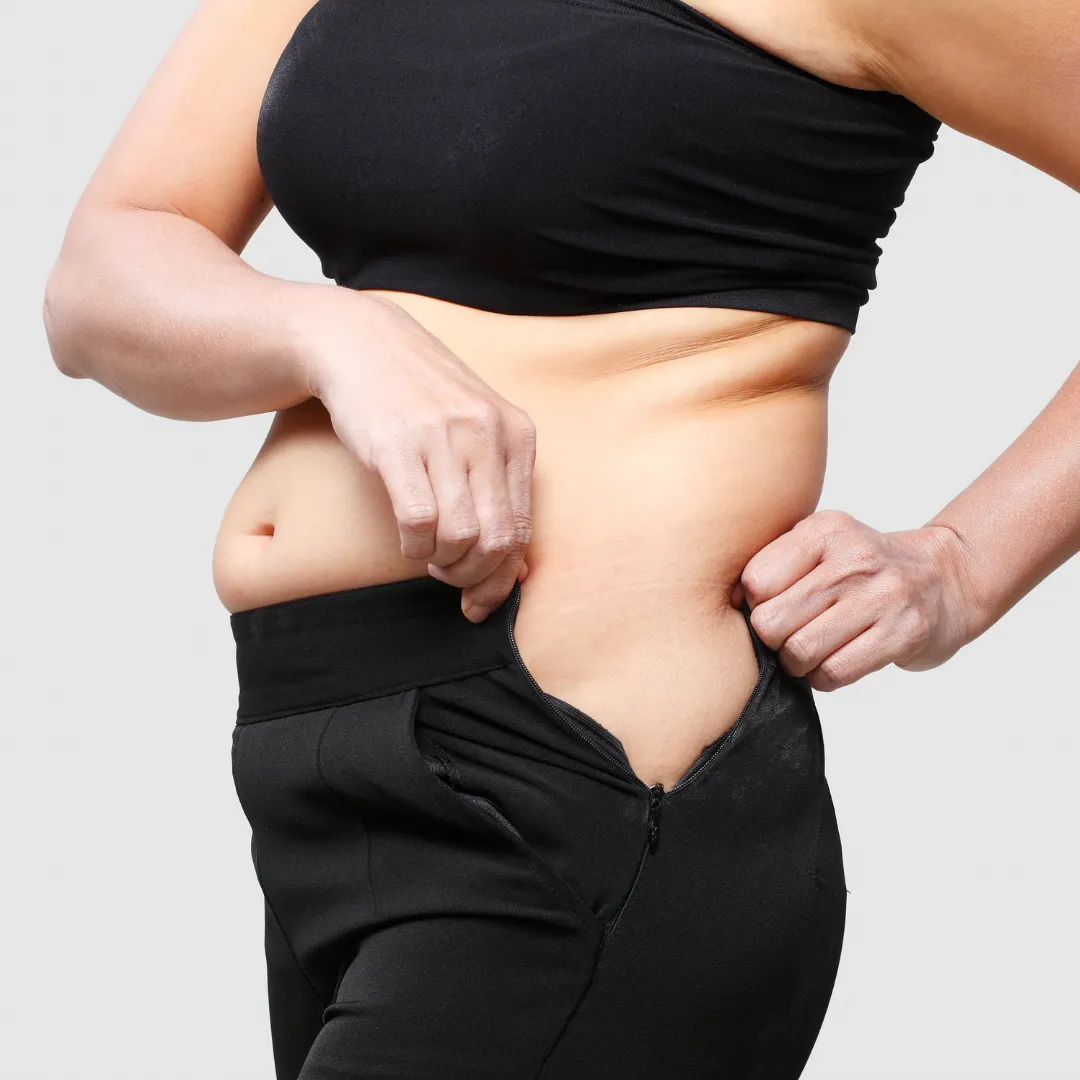
Lower estrogen, reduced muscle mass, poorer sleep, and higher stress can make abdominal fat easier to gain and harder to lose. This does not mean your body is broken. It means your strategy often needs to become more supportive and less extreme.
The habits that matter most
Regular protein intake, resistance training, daily walking, and better sleep hygiene usually matter more than aggressive calorie cutting. These habits help protect muscle, improve recovery, and make appetite more manageable.
A gentler path to metabolic support
Some women also look for supportive options that fit midlife health goals, including Natural Metabolic Health with triGLP. The most sustainable plan is usually one that reduces friction and works with your physiology rather than against it.
Practical Tips
- Prioritize strength training two to three times per week.
- Build meals around protein, vegetables, and high-fiber carbohydrates.
- Create a consistent wind-down routine to improve sleep quality.
- Track waist measurement and energy, not just scale weight.
Quick FAQ
Do I need to eat much less during menopause to lose weight?
Usually not. Many women do better by improving food quality, protein intake, movement, and sleep before making aggressive calorie cuts.
This article is educational and does not replace personal medical advice.
