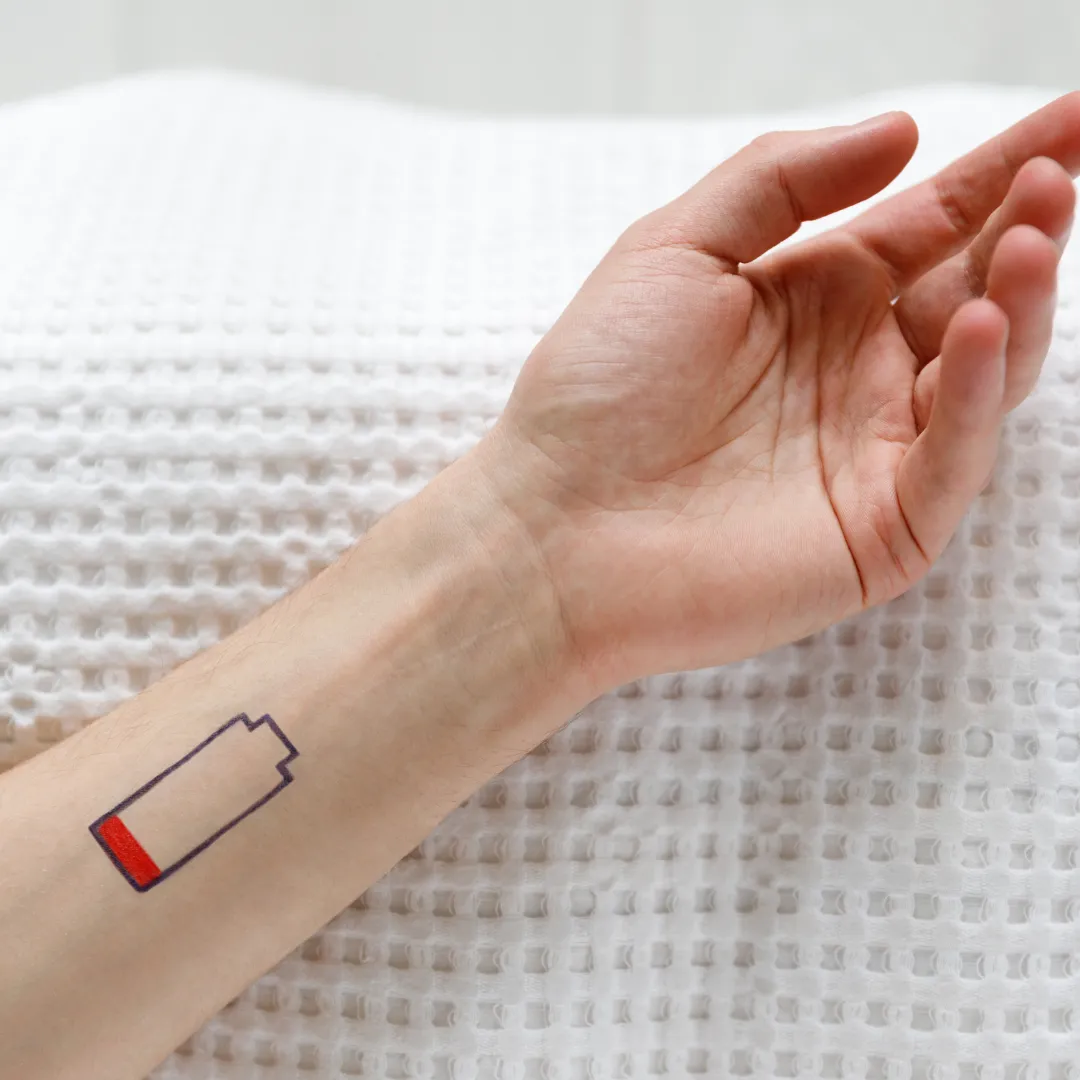
Low Ferritin, Low Hemoglobin, and Fatigue: What to Watch and How to Support Energy
Low Ferritin, Low Hemoglobin, and Fatigue: What to Watch and How to Support Energy
If you feel tired, cold, short of breath, or unusually weak, iron status may be one piece of the puzzle. Low ferritin and low hemoglobin can affect oxygen transport, exercise tolerance, concentration, and day-to-day vitality.
Why these markers matter
Ferritin reflects stored iron, while hemoglobin helps carry oxygen in red blood cells. When levels are low, even basic tasks can feel more exhausting than they should.
Food and recovery strategies that help
Iron-rich foods, vitamin C with meals, and proper follow-up with a healthcare professional are often important. Sleep, digestion, and inflammation also matter because poor gut function can make nutrient repletion harder.
Looking at the full metabolic picture
Some readers become interested in broader metabolic support when low energy overlaps with poor recovery, bloating, or inflammation. Natural Metabolic Health is one example of a supportive option people explore alongside medical guidance and nutrition.
Practical Tips
- Ask your clinician which lab markers are worth checking if fatigue persists.
- Pair iron-rich meals with vitamin C sources such as citrus or peppers.
- Do not self-diagnose; very high iron can also be a problem.
- Pay attention to digestion if you struggle to absorb nutrients well.
Quick FAQ
Should every tired person take iron?
No. Fatigue has many causes, and iron should be guided by symptoms, labs, and professional advice rather than guesswork.
This article is educational and does not replace personal medical advice.
