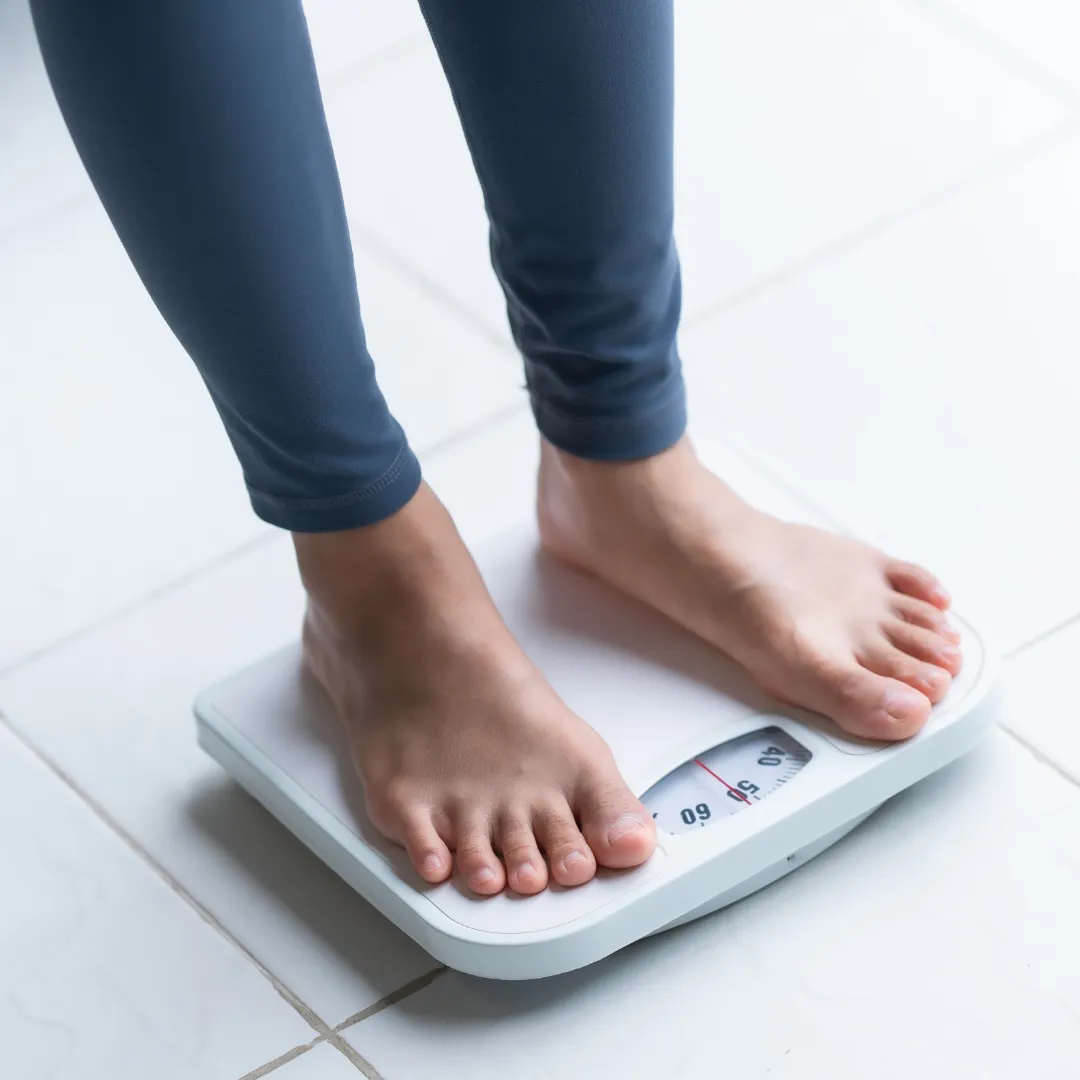
Body Recomposition Explained: Why the Scale Does Not Tell the Full Story
Body Recomposition Explained: Why the Scale Does Not Tell the Full Story
Many people think progress only counts when the scale drops quickly. In reality, improving body composition by reducing fat while preserving muscle is often a better goal for health, appearance, and long-term metabolic resilience.
Why scale weight can be misleading
Water retention, hormonal changes, bowel contents, and muscle gain can all affect scale readings. That means the scale may hide positive progress, especially if you are training or improving your diet quality.
Better ways to track progress
Waist measurements, how clothing fits, progress photos, strength gains, and energy levels often tell a more useful story. These markers help you avoid quitting just because one number moved slowly.
Supporting fat loss while protecting muscle
Protein intake, strength training, and recovery are the foundations. Some readers also look at supportive options such as Natural Metabolic Health because they want fat-focused progress without relying on harsh restriction or rebound-prone dieting.
Practical Tips
- Use the scale as one tool, not the only tool.
- Measure waist or hip circumference once per week under similar conditions.
- Prioritize strength maintenance during any fat-loss phase.
- Review progress over four to six weeks, not just a few days.
Quick FAQ
Can I lose fat even if my scale weight changes slowly?
Absolutely. Fat loss and weight loss are not always identical, especially when hydration and muscle status are changing at the same time.
This article is educational and does not replace personal medical advice.
